
Youth Expressive Arts
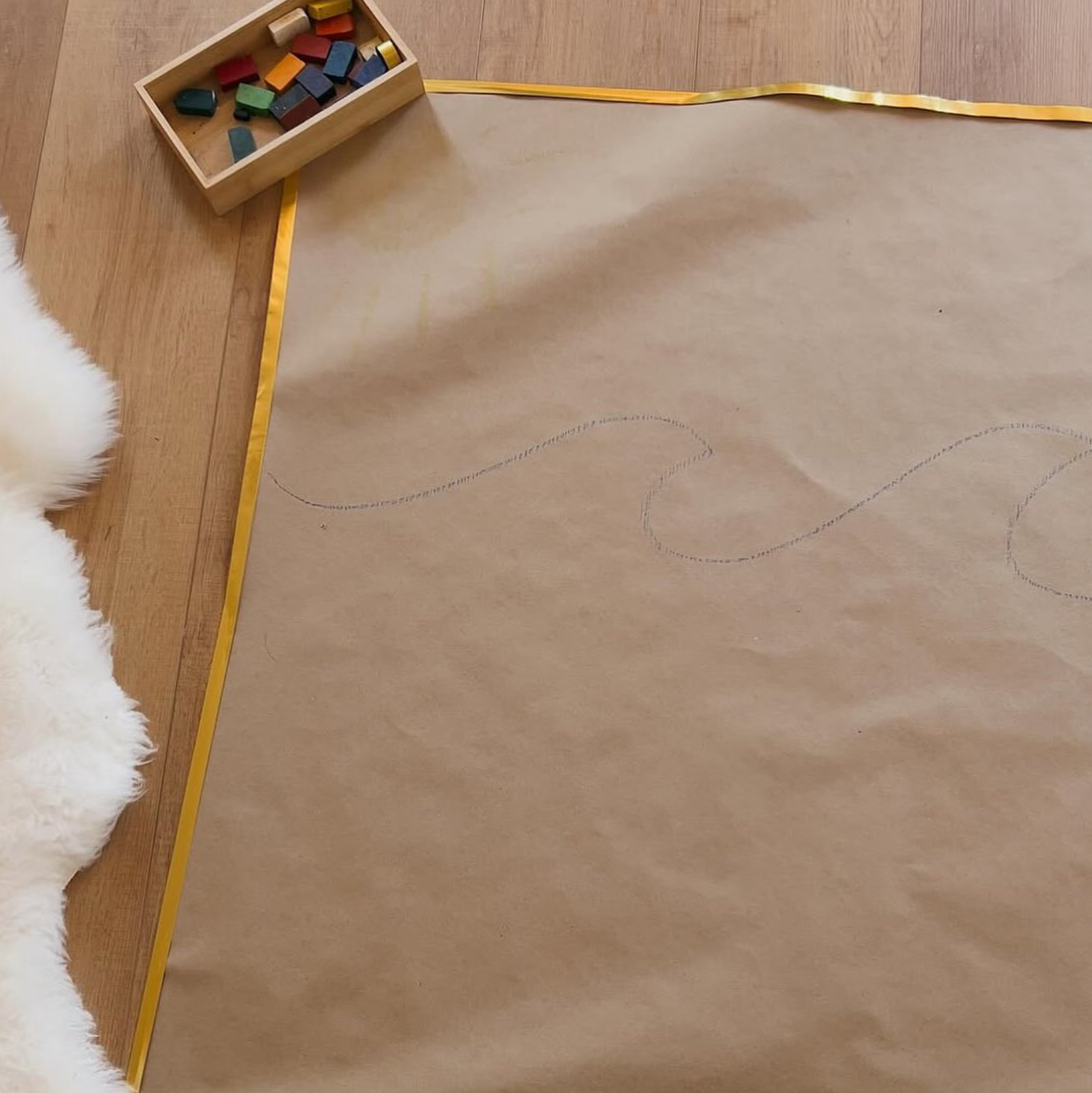
A Safe, Creative Space for Big Feelings
Youth Expressive Arts at Sea to Believe offers a gentle, trauma-informed approach to supporting emotional well-being through creativity, movement, and body-based regulation. In a calm, sensory-rich studio by the sea, youth are invited to express, explore, and regulate in ways that feel natural and developmentally supportive.
This is licensed clinical therapy rooted in expressive arts, nervous system science, and youth-centered care.
WHERE EMOTIONS FIND EXPRESSION
Who We Support & How We Help
Youth We Support & Ways We Help
Youth Expressive Arts may be supportive for youth and teens who are navigating:
Anxiety, worry, or stress
Big or overwhelming emotions
Sensory sensitivities
Life transitions or changes
Finding ways to express and manage feelings
Building confidence in friendships and connections
This offering creates space for:
Authentic emotional expression and meaningful communication
Growing confidence, self-trust, and inner steadiness
Nervous system settling, rhythm, and regulation
Building resilience and supportive inner resources
Deepening body awareness and felt sense connection
Comfortable social engagement and relational flexibility
No artistic skill is required—only curiosity, choice, and a willingness to explore in ways that feel safe.

-
For youth participants who would benefit from additional nervous system support, the Safe and Sound Protocol (SSP) is available as an add-on service.
Using specially filtered music delivered through headphones, SSP gently supports regulation and helps the nervous system experience safety and connection. This can be especially helpful for children and teens navigating anxiety, sensory sensitivities, emotional regulation challenges, attention difficulties, or stress-related symptoms.
When added to youth programming, SSP is thoughtfully integrated and paced to meet each child where they are—supporting greater calm, engagement, and resilience.
Begin with a Studio Visit
You are invited to schedule a complimentary 15-minute in-person studio tour. A soft and welcoming first step for you to meet Stacia, explore the space, and feel whether this work is the right fit for you.
-
At this time, we are a fee-for-service provider. We do not bill insurance. If requested, we can provide you with a superbill to submit to your insurance for out-of-network reimbursement. We believe this fee-for-service model puts the decision-making back into the family and therapists’ hands. It allows us to pursue a treatment program dictated by the needs of the client, not what the insurance company allows.

The Sea to Believe Approach with Youth
Where Regulation Comes Before Exploration
At Sea to Believe, expressive arts begin with safety, rhythm, and relationship. Sessions are:
Youth-led and choice-centered
Sensory-aware and developmentally appropriate
Trauma-informed and body-based
Rooted in regulation before emotional processing
Designed to feel steady, predictable, and spacious
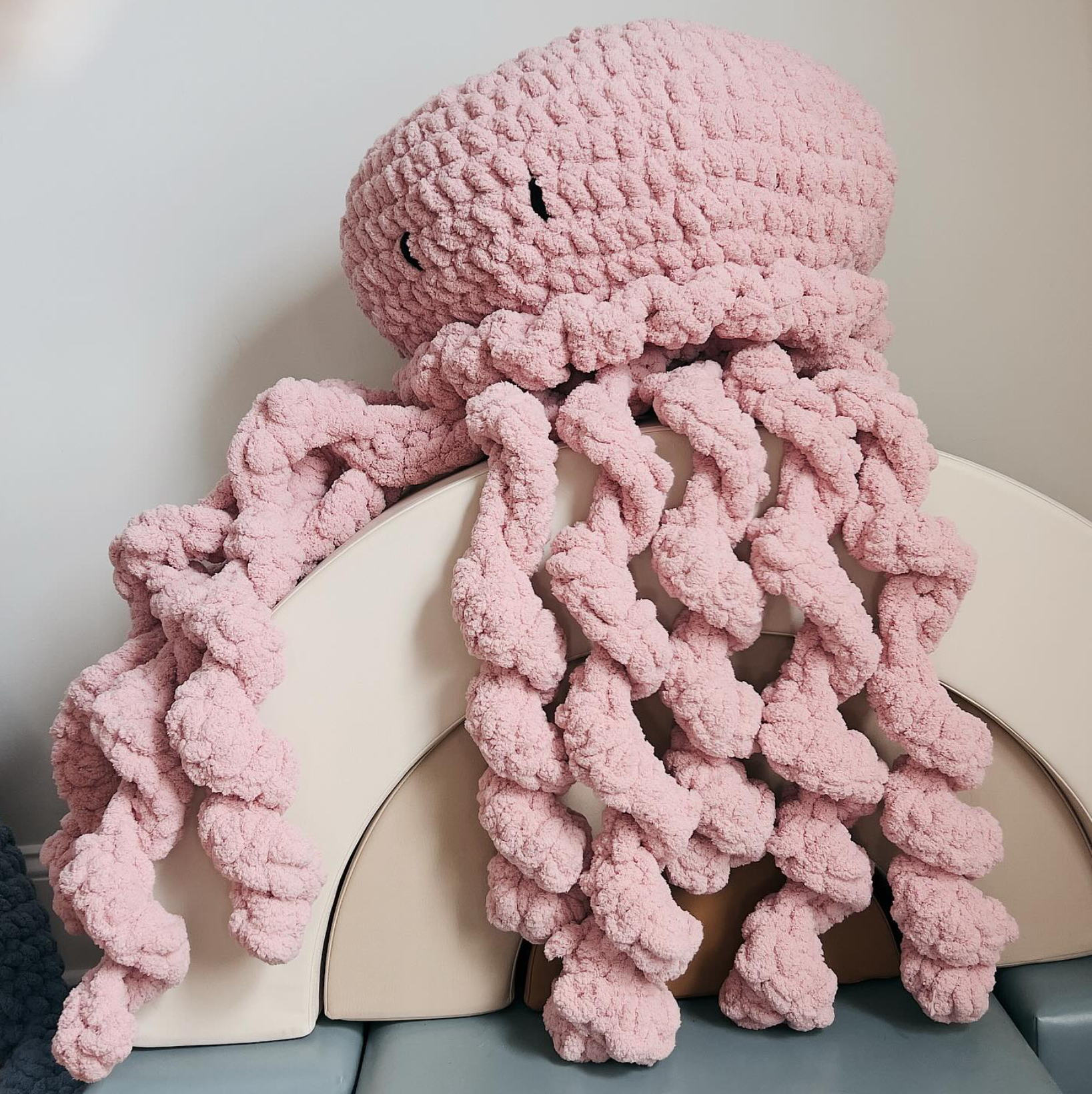
The studio environment itself is part of the therapeutic experience—warm, softly lit, and intentionally designed with calming textures, natural materials, and creative tools that promote grounding and ease.
A central and signature component of this work is the use of Seasources™—Stacia’s ocean-inspired nervous system tools that support grounding, calming, and emotional regulation through movement, imagination, sensory engagement, and creative exploration. Seasources™ provide youth with tangible, portable ways to access regulation both inside and outside the studio.
What Is Expressive Arts for YOUTH?
Supporting Expression Beyond Words
Expressive therapies help youth communicate and process experiences through art, movement, music, storytelling, play, and sandtray—modalities that meet them where language alone often cannot.
Using a bottom-up, body-based approach, sessions engage the nervous system first, supporting regulation before reflection. Rather than relying solely on conversation, youth can explore emotions creatively and safely through their natural ways of expressing themselves.
This is appropriate for youth and teens navigating emotional, behavioral, developmental, and relational challenges.